

In recent years, media literacy initiatives have gained momentum in Brazil and around the world as a response to the advance of disinformation. The federal government, for example, launched the Brazilian Media Literacy Strategy in 2023 to guide public policies in this area.
This is a relevant step. But as recent research shows, there are at least three limits we need to consider when thinking about this type of intervention.
First limit
The first limit is conceptual: after all, what exactly are we talking about? “Media literacy” has become an umbrella term that encompasses very different practices. A study published in the journal American Behavioral Scientist shows that it is necessary to distinguish four different dimensions: media literacy, information literacy, news literacy, and digital literacy.
Only one of them—information literacy, linked to the ability to search for, evaluate, and use information critically—suggests a positive influence on identifying fake news. This conceptual distinction has not yet been incorporated into public policies and creates the risk of dispersing efforts on initiatives with little effectiveness. To counter this risk, it is important to conduct more tests on the effectiveness of interventions.
Second limit
The second limit concerns the timing of the intervention. A field experiment in India, published in the American Political Science Review, evaluated the effects of media literacy training on 1,224 participants, conducted by educators during home visits.
The expectation was that, by learning to distinguish true from false information, citizens would share less false information. The result was more complex: among supporters of the ruling party, the ability to identify fake news worsened after the intervention. This effect suggests that, in highly polarized contexts, so-called “motivated reasoning” can lead people to filter information according to their prior beliefs, rejecting even true content when it appears to come from the “other side.”
In other words, media literacy initiatives by the Electoral Justice system may be welcome this year, but not in the second half of 2026, in the midst of an election campaign.
Third limit
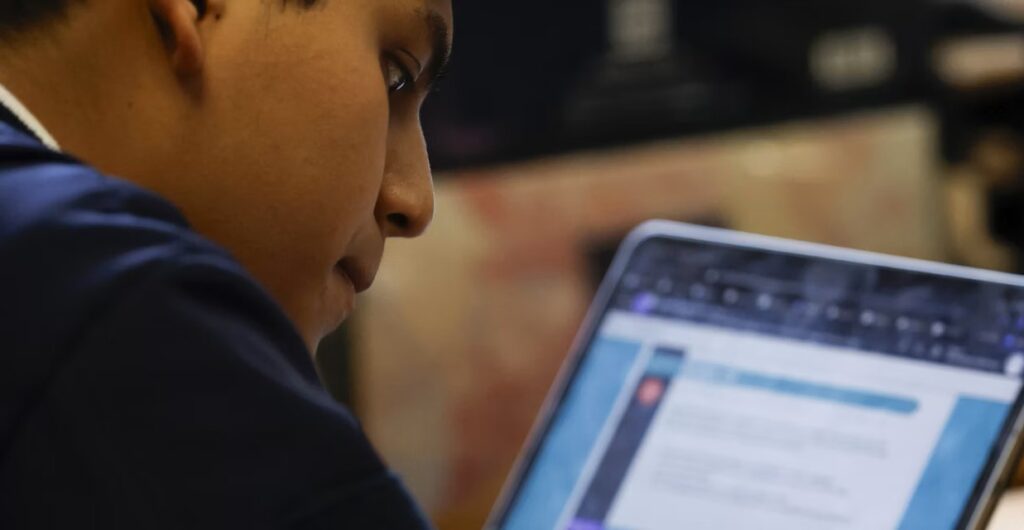
The third limit concerns real-world implementation conditions. A study conducted in a public school in Brasília and recently published in the Journal of Media Literacy Education showed how teachers face practical difficulties in incorporating media literacy into the classroom.
The research followed workshops with adolescents and revealed that much depends on the voluntary engagement of teachers, who do not always receive institutional support or clear incentives to include the topic in their teaching plans. This bottleneck threatens the sustainability of initiatives, since public policies may be well designed but lose effectiveness if there are no concrete conditions for teachers to put them into practice.
These three lessons are important for Brazil. First, we need to better define what type of media literacy we are talking about. Second, we should avoid launching interventions at times of intense political polarization, such as during election campaigns, when the effects may be counterproductive. Third, it is essential to provide real conditions for implementation, with pedagogical support and recognition of teachers.
Recognizing limits does not mean dismissing efforts. On the contrary: addressing these challenges is the only way to turn good intentions into concrete results against disinformation. Media education helps—but not at just any time, and not in just any way.
Source: The Conversation Brasil